
Patient Spotlight: How Aquatic Physical Therapy Helps Michael Live with Hereditary Spastic Paraplegia (HSP)
 by
by 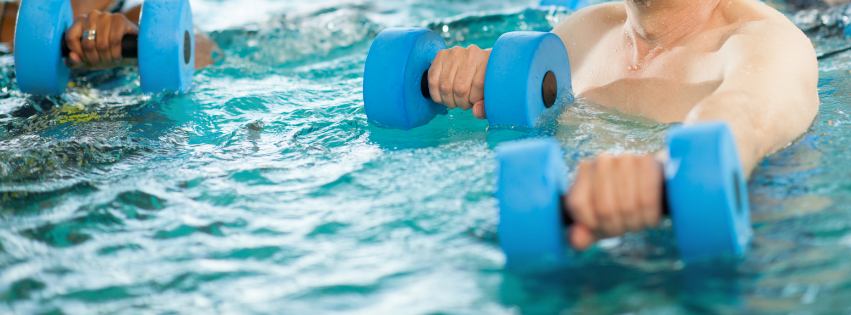
Living with a progressive neurological condition means adapting to new challenges over time. For Michael, Aquatic Physical Therapy has become an important part of helping him maintain his mobility, improve his balance, and preserve his independence while living with Hereditary Spastic Paraplegia (HSP).
Living with HSP

Michael was diagnosed with Hereditary Spastic Paraplegia (HSP), also known as SPG-4, a rare neurological condition that causes progressive stiffness and weakness in the legs. Before beginning physical therapy, everyday activities like walking had become increasingly difficult.
“My balance was off. I couldn’t walk very well, and I dragged my feet.”
While there is currently no cure or disease-modifying treatment for HSP, symptom management can help individuals maintain function and independence. Physical therapy, medications, and mobility aids such as canes and crutches all play an important role in helping people manage the condition and continue doing the activities that matter most.
Finding the Right Therapy
Michael’s daughter, an Occupational Therapy Assistant, encouraged him to explore Aquatic Physical Therapy after researching treatment options and discovering The Therapy Network.
The water immediately offered advantages that traditional land-based exercise could not.
“Aquatic therapy uses water buoyancy to counteract gravity and reduce spasticity, making it an excellent medium. It provides me with a low-impact, supported environment to practice gait mechanics, core stability, and balance without the fear of falling.”
Why Aquatic Physical Therapy Made a Difference
For Michael, the unique properties of water have made exercise safer, more comfortable, and more effective.
 The buoyancy of the water reduces the effects of gravity, helping unload his joints and muscles while easing the heaviness and stiffness associated with HSP. At the same time, the natural resistance of the water provides gentle strengthening for his hip flexors, hamstrings, and core muscles.
Because the pool provides a supportive environment, Michael can safely practice walking mechanics—including proper heel strike, weight shifting, and balance—with less fear of falling than he experiences on land. This allows him to focus on movement quality while building strength and confidence.
Meaningful Improvements
Although HSP is a progressive condition, Michael has experienced meaningful improvements through Aquatic Physical Therapy.
“Aquatic physical therapy exercises are effective, and the biggest difference I see is the improvement in my balance, gait, quality of life, and significantly reduced risk of falling.”
For Michael, these improvements have meant more than better movement. They have helped him continue navigating daily life with greater confidence while maintaining his independence.
Every Step Forward Matters
Michael’s story is a reminder that physical therapy isn’t always about returning to where you were before an injury or diagnosis. Sometimes, it’s about maintaining independence, improving confidence, and continuing to do the things you enjoy despite the challenges of a progressive condition.
At The Therapy Network, our Aquatic Physical Therapy program provides a supportive, low-impact environment for individuals living with neurological conditions, orthopedic injuries, chronic pain, arthritis, balance disorders, and many other diagnoses. Every treatment plan is personalized to each patient’s unique needs, abilities, and goals.
We are grateful to Michael for sharing his experience and allowing us to be part of his care. His story highlights how Aquatic Physical Therapy can help people move more confidently, safely, and comfortably—one step at a time.