
Why Do Your Joints Feel Stiffer in Cold Weather? Understanding Seasonal Joint Pain
 by

As temperatures drop and the days get shorter, you may notice that your body doesn’t move quite as easily as it did during the warmer months. Getting out of bed feels harder, your knees feel stiff when you stand up, or your back and shoulders seem tighter than usual. If you experience more aches and stiffness when the weather turns cold, you’re not alone. Many people notice changes in joint comfort, muscle tightness, and mobility during the fall and winter months. But why does this happen? Is it the cold itself, changes in air pressure, or something else?
Several factors may contribute. Colder temperatures can affect how muscles and surrounding tissues respond to movement, changes in barometric pressure may influence joint discomfort in some people, and shorter days often mean less time spent moving outdoors.
The good news? You don’t have to let seasonal stiffness keep you from doing the things you enjoy. Understanding what’s happening in your body and making a few adjustments to your daily routine can help you stay comfortable, mobile, and active throughout the colder months.
Why Does Cold Weather Make Your Joints Feel Stiffer?
There isn’t one single explanation for why some people experience more aches and stiffness when temperatures drop. Several physical and environmental factors may work together.
1. Cooler Temperatures Can Affect Muscles and Connective Tissues
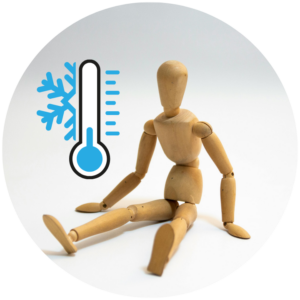 Your muscles, tendons, ligaments, and joints work together to help you move comfortably. When temperatures drop, your body responds to the cold in ways that can make movement feel different.
One response is vasoconstriction, the narrowing of blood vessels. Your body does this to conserve heat and maintain a stable core temperature. Blood flow to the skin and extremities can decrease, making your hands and feet feel colder.
Temperature also affects the mechanical properties of muscles and connective tissues. Cold muscles can contract more slowly and produce less force until they warm up. Tendons and ligaments have viscoelastic properties, meaning their response to stretching and movement can change with temperature.
In practical terms, your muscles may feel tighter, and your body may need more time to prepare for activity. Movements that normally feel easy may seem less comfortable, especially first thing in the morning or after sitting for a while.
This doesn’t mean cold weather is damaging your joints. It means your body may benefit from extra warmth and preparation before demanding movement.
2. Changes in Barometric Pressure May Contribute to Joint Discomfort
Have you ever heard someone say they can predict an approaching storm because their knees start aching?
There may be a connection.
Barometric pressure is the pressure exerted by the weight of the atmosphere around us. It naturally fluctuates as weather systems move through an area. Some researchers believe that when atmospheric pressure drops, changes in pressure around the body may allow tissues surrounding joints to expand slightly. For people with arthritis, previous injuries, or sensitive joints, these changes may contribute to feelings of pressure, aching, or discomfort.
The relationship between barometric pressure and joint pain is still being studied. Research has produced mixed results, and not everyone experiences weather-related symptoms. Temperature and barometric pressure also tend to change together, making it difficult to identify one single cause of seasonal discomfort.
3. Less Movement Can Lead to More Stiffness
 Sometimes, one of the biggest contributors to winter stiffness isn’t the temperature. It’s what we do differently because of it.
When the weather is warm, it’s easier to walk outside, work in the yard, or enjoy recreational activities. As temperatures drop, those activities may become less appealing. Instead, we spend more time indoors, sitting at a desk or relaxing on the couch.
The problem? Your body is designed to move.
Remaining inactive for long periods can contribute to muscle tightness and reduced joint mobility. Over time, decreased activity can also affect muscle strength, endurance, and flexibility. This can make everyday activities like getting out of a chair, climbing stairs, or walking longer distances feel more challenging. It’s a cycle that’s easy to overlook: less movement can lead to more stiffness, and more stiffness can make movement uncomfortable. Breaking that cycle is important for maintaining mobility throughout the colder months.
Who Is Most Likely to Experience Seasonal Stiffness?
Cold-weather aches and stiffness can affect people of all ages, but some individuals may notice a bigger difference when temperatures drop.
You may be more susceptible if you:
- Have arthritis or osteoarthritis: Weather changes may make existing joint discomfort more noticeable, particularly in the knees, hips, hands, and spine.
- Have a history of injury or surgery: Previously injured or surgically repaired joints may remain sensitive, especially when activity levels decrease.
- Are an older adult: Age-related changes in muscle strength, joint flexibility, and mobility can make seasonal stiffness more noticeable.
- Live with chronic pain: People with ongoing musculoskeletal pain may be more sensitive to environmental changes and fluctuations in activity.
- Spend much of the day sitting: Desk work, long commutes, and inactivity can contribute to muscle tightness and joint stiffness regardless of the weather.
Even without an existing joint condition, your body may need a little more preparation before physical activity during the colder months.
6 Ways to Stay Comfortable and Mobile This Fall and Winter
You can’t control the weather, but you can control how you prepare your body for it. These simple habits can help reduce stiffness, maintain flexibility, and make everyday movement more comfortable.
1. Start Your Day With Gentle Movement
If you wake up feeling stiff, give your body a chance to warm up before jumping into your morning routine.
Try a few minutes of shoulder rolls, arm circles, ankle movements, seated knee extensions, or gentle trunk rotations. These movements help get your joints moving and prepare your muscles for the day ahead.
2. Keep Moving Throughout the Day
Avoid staying in one position for too long. If you work at a desk, take regular breaks to stand, stretch, or walk around. If you’re relaxing on the couch, get up occasionally and move.
Short walks and movement breaks throughout the day can help maintain mobility. Consistency matters more than intensity.
3. Stay Warm and Give Yourself Time to Warm Up
Dress in layers, wear appropriate footwear, and protect areas that tend to feel cold, such as your hands and feet.
Before exercising outdoors, start with gentle movements and gradually increase your activity level. A warm shower or heating pad may also help relax tight muscles before activity. Follow heating product instructions and avoid excessive temperatures, particularly if you have reduced sensation.
4. Maintain Strength and Flexibility
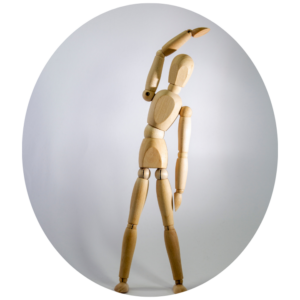 Gentle stretching helps maintain range of motion, while strength training helps the muscles surrounding your joints provide stability and support.
Consider incorporating gentle yoga, resistance band exercises, bodyweight squats, calf raises, or supported balance exercises into your routine.
Choose activities that match your fitness level. If an exercise causes sharp pain or significantly increases your symptoms, stop and seek guidance from a healthcare professional.
5. Find Ways to Stay Active Indoors
Just because it’s too cold to spend time outside doesn’t mean your activity routine has to stop. Try walking at an indoor shopping center, using a treadmill or stationary bike, participating in an indoor exercise class, or following a mobility routine at home.
Aquatic exercise can also be a helpful lower-impact option. Water provides support while allowing you to work on strength, flexibility, and endurance.
6. Don’t Forget Hydration and Recovery
Hydration is important year-round, even when you’re not sweating as much as you might during the summer. Continue drinking water throughout the day, especially when exercising.
Allow your body time to recover, gradually increase exercise intensity, and get adequate sleep. A consistent balance of movement and recovery can help you maintain strength and mobility throughout the season.
When Is It Time to See a Physical Therapist for Joint Stiffness?
 Occasional stiffness after sitting for a long time or waking up on a cold morning isn’t necessarily a reason for concern. However, if stiffness is becoming a regular part of your day, interfering with activities, or making it difficult to move comfortably, it may be time to seek professional guidance.
Consider scheduling a physical therapy evaluation if you experience:
- Persistent joint or muscle stiffness: Your body regularly feels tight, and movement doesn’t seem to improve it.
- Reduced range of motion: You’re having difficulty bending, reaching, turning, or moving a joint as freely as you used to.
- Pain during everyday activities: Walking, climbing stairs, getting dressed, or getting out of a chair has become uncomfortable.
- Recurring aches and pains: Discomfort keeps returning or is becoming more noticeable.
- Decreased strength or balance: You feel less stable on your feet or struggle with activities that were previously manageable.
- Difficulty returning to activity: You’re avoiding exercise, hobbies, or recreational activities because of discomfort.
You don’t have to wait until pain becomes severe to benefit from physical therapy.
A physical therapist can evaluate your mobility, strength, flexibility, balance, and movement patterns to identify factors contributing to your symptoms. Based on your individual needs, treatment may include targeted stretching and mobility exercises, strengthening, balance training, hands-on techniques, and guidance for gradually returning to the activities you enjoy. The goal isn’t simply to make you feel better when the weather changes. It’s to help you move better, build strength, improve mobility, and feel more confident staying active throughout the year.
If stiffness is accompanied by a hot, red, or significantly swollen joint, fever, sudden severe pain, or an unexplained loss of function, seek medical evaluation rather than assuming it’s related to the weather.

Don’t Let Cooler Weather Keep You From Moving
Fall and winter bring plenty of reasons to slow down, but your movement shouldn’t have to be one of them.
While colder temperatures, changing weather patterns, and reduced activity can contribute to seasonal stiffness, maintaining your strength, flexibility, and activity levels can help you feel more comfortable throughout the year. Whether you’re dealing with morning stiffness, managing an existing joint condition, or finding it harder to stay active as temperatures drop, physical therapy can help you take steps toward better movement.
At The Therapy Network, our physical therapists work with patients to address pain, improve mobility, build strength, and help them return to the activities that matter most.
Don’t let stiffness keep you on the sidelines this season.
With five convenient locations in Chesapeake, Virginia Beach, and Norfolk, The Therapy Network is here to help you keep moving.
Call 757-496-3700 to schedule your physical therapy appointment today.
Click here to request an appointment and someone from our team will contact you!